

What Escrow and Oqood Actually Protect
Two mechanisms sit between an off-plan buyer and a stalled site. Neither is a formality, and neither covers everything.
Published 18 August 2026
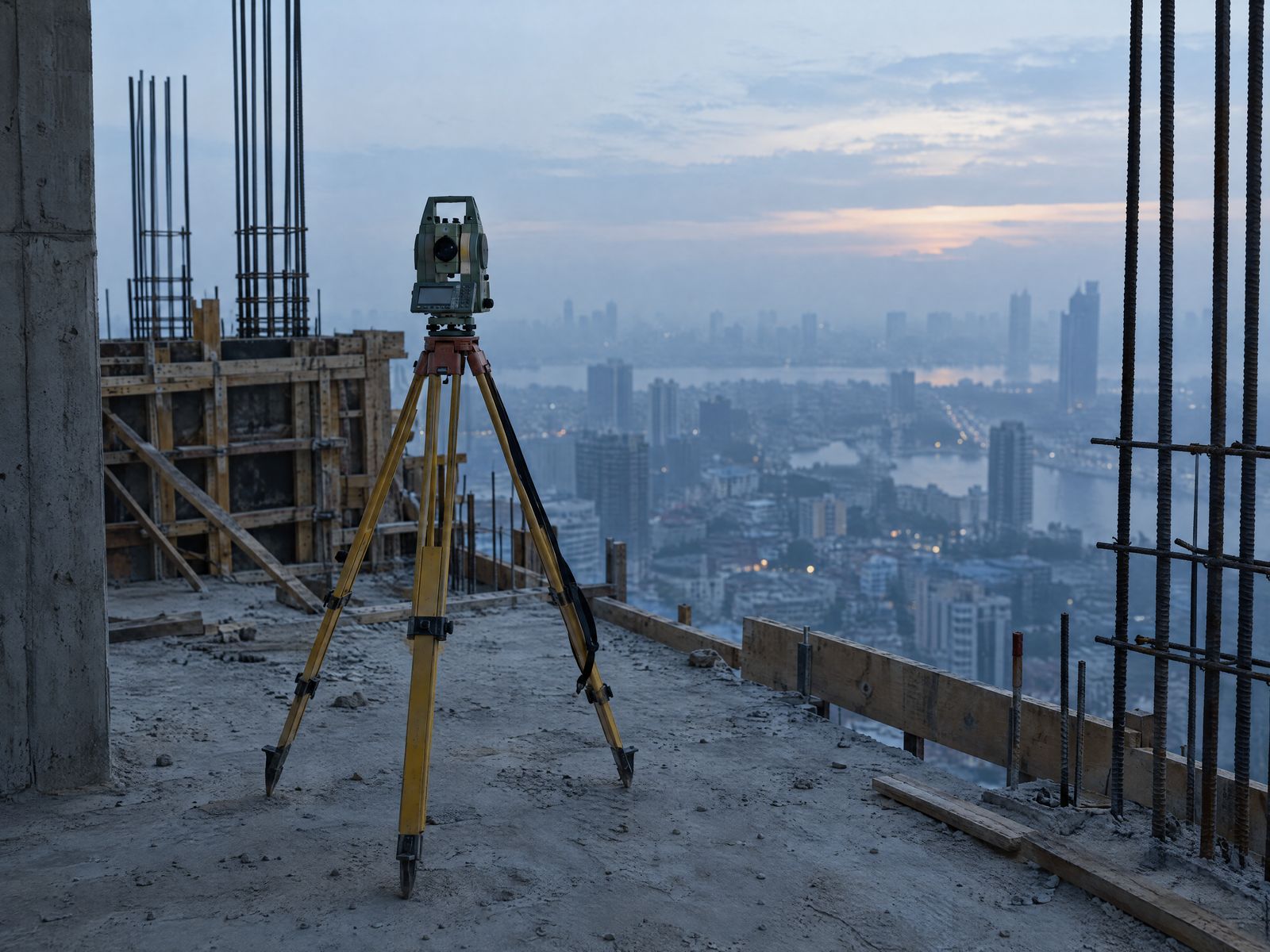
Buying off-plan means paying for something that does not exist yet. Dubai's regulatory answer to that is two separate mechanisms, and it is worth understanding what each one does and where each one stops.
Escrow: Control of the Money
Every off-plan project runs an escrow account regulated by RERA. Buyer payments go into that account rather than to the developer, and funds are released against verified construction progress. The practical effect is that a developer cannot spend your money on a different project, and cannot draw ahead of the work.
What escrow does not do is guarantee a completion date. It governs where the money sits and when it moves, not how fast the building goes up.
Oqood: The Record of Your Interest
Oqood registers an off-plan purchase with the Dubai Land Department immediately on booking completion, by paying the down payment and signing the SPA, and the ownership documents are accessible online. Your interest in the unit is on the record from the start rather than appearing only at handover. It matters most in the situations nobody plans for: a dispute, a resale before completion, an inheritance.
What Neither Covers
Neither mechanism makes a promised quarter binding in the way buyers often assume. Handover dates move in this market. The question worth asking is not whether a developer can guarantee a date — none can — but whether it publishes the date, and tells you when it changes.
The Costs Around the Purchase
Beyond the price, the Dubai Land Department transfer fee is 4% of the purchase price. There is no annual property tax and no capital gains tax on residential property in Dubai.