Where is it?
Leave Downtown on Sheikh Mohammed Bin Zayed Road and drive inland. The towers thin out, then stop. What follows is wide and flat: six-lane carriageways, roundabouts the size of a city block, apartment buildings standing in twos and threes with open sand between them and a crane over the next plot. You are in Dubailand. It is a plan, not a neighbourhood, and the name covers so much ground that on its own it tells you almost nothing about where you are standing.
Our project here sits in the Dubai Land Residential Complex, one of the residential grids in the middle of all that. Its fact sheet puts Dubai Outlet Mall at ten minutes, Global Village at fifteen and Dubai Mall at fifteen. What the fact sheet does not list is a metro station, because there is not one.
Dubailand began as an announcement. In the early 2000s Dubai Holding set out a leisure and entertainment destination on a scale nothing in the emirate had attempted: theme parks, sports venues, resorts, eco-tourism zones, whole districts each given over to a single idea. Different phases were announced in different years and the plan moved with them. We are not going to hand you a founding date for it.
Then 2008 arrived. Credit disappeared, contractors stopped, and much of the plan was shelved where it stood. Some of it was never built at all. Some was built and then waited years for anyone to live in it. Falcon City of Wonders, the community of replica monuments, is still only partly there.
What came back was housing. Plot by plot, developers took the land and built villa communities and mid-rise apartment blocks. The leisure idea survives in pieces: Global Village on its seasonal calendar, IMG Worlds of Adventure, Dubai Outlet Mall, the Autodrome over at Motor City. Housing is what actually filled the map.
Dubailand does not behave like a single district because it is not one. Inside it, or hard against its edge depending on whose map you read, are Motor City, Dubai Sports City, Liwan, Majan, Remraam, Mudon, Villanova, The Villa, Living Legends and Al Barari. Arjan, where our first two projects are, is usually written "Arjan, Dubailand" too. Each of these has its own developer, its own street pattern and its own finish date, and the boundary between two of them can be one roundabout.
The texture is low. Podium, pool deck, eight to fifteen floors, then sky. Nothing overshadows anything. Between the finished blocks are fenced plots with a signboard, plots with a crane, and plots with nothing on them yet. Community retail arrives after residents do, so whether there is a supermarket and a clinic on your street is largely a question of which year you moved in.
It is quiet in a way the coastal districts are not, and green in patches rather than throughout. Al Barari is heavily planted; much of the rest is young landscaping on new roads. Families are the constant. The villa communities were built for them and the apartment stock follows the same logic, which is why the pool, the splash pad and the children's play area in our project here are on the roof.
DLRC is a residential grid in the middle of the district, on the Outlet Mall side. Apartment plots, mid-rise, most of them recent and many still on site. It is a sub-community being built inside one short stretch of years rather than accumulating over decades, which means it should read as one piece when it is finished and reads as a construction schedule until then.
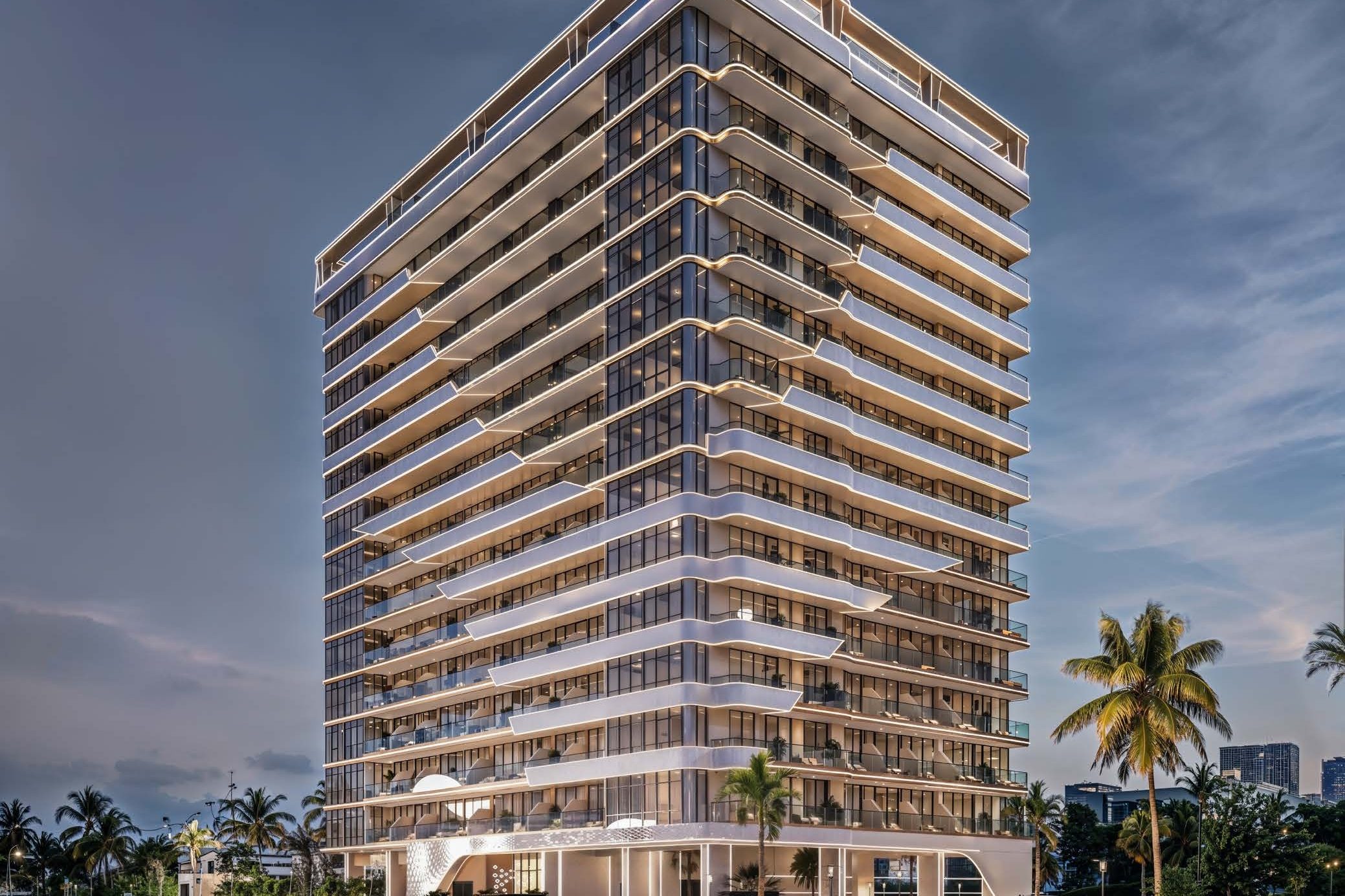
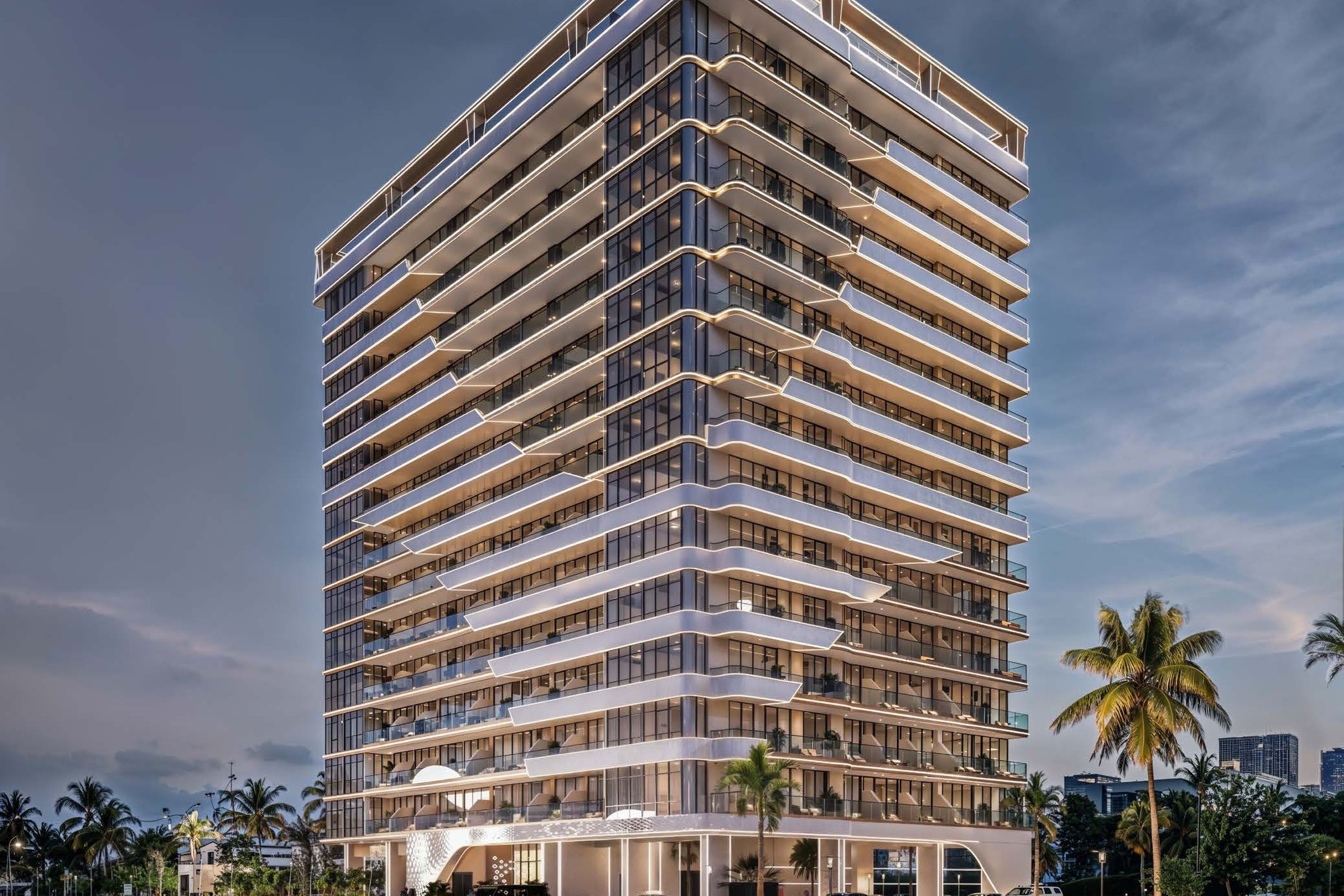
Floareá Oasis is 257 homes there: three basements, ground, thirteen floors and a roof, on a plot of 36,941 sq ft with 166,235 sq ft sellable. Studios from 425 sq ft, one bedrooms with study, one bedroom apartments, and a two bedroom with maid's room at 1,236 sq ft. Fifteen amenities, the family ones on the roof. Payment is 30/70 across construction and handover, with a 1% monthly variant, and a 30/35/35 post-handover schedule if you take it. A post-handover plan is a form of credit; ask about the term and any charge before you sign one.
Two motorways carry Dubailand. Sheikh Mohammed Bin Zayed Road (E311) runs the length of the city and puts Business Bay, Dubai Marina, Sharjah and Abu Dhabi on a single road. Emirates Road (E611) runs parallel and further inland, and is the better route for the northern emirates. Al Ain Road (E66) cuts along the southern side towards Global Village and out of the city. Sheikh Zayed bin Hamdan Al Nahyan Street (D63) crosses east to west and links across to Al Khail Road (E44).
There is no metro. The Red Line follows Sheikh Zayed Road along the coast, the Green Line stays in the older city, and neither comes near. The Blue Line now under construction is planned to serve Dubai Silicon Oasis and Academic City on the eastern side, and when it opens that will be the closest station this district has had. It will still be a drive to reach. RTA buses run the main roads. None of that adds up to life without a car here, and we would rather write that down than dress a bus route up as a connection.
The Floareá Oasis fact sheet lists its own times, and we quote them as printed: Dubai Outlet Mall, Silicon Oasis and IMG Adventures at ten minutes, Hamdan Sports Complex at fourteen, Global Village, Dubai Mall and Burj Khalifa at fifteen, Palm Polo Club at eighteen, Meydan Race Course at nineteen, Dubai Safari Park at twenty, City Walk at twenty-five. One line in that list, Al Khail Road at thirty-one minutes, reads oddly against Dubai Mall at fifteen. It is what the document says. We have not reconciled it and we are not going to quietly delete it.
Ours here
At a glance