

Snagging a New Home in Dubai: What to Check Before You Accept the Keys
The last hour before you sign for a property is the cheapest hour to find a defect. Here is the list to walk in with.
Published 21 August 2026
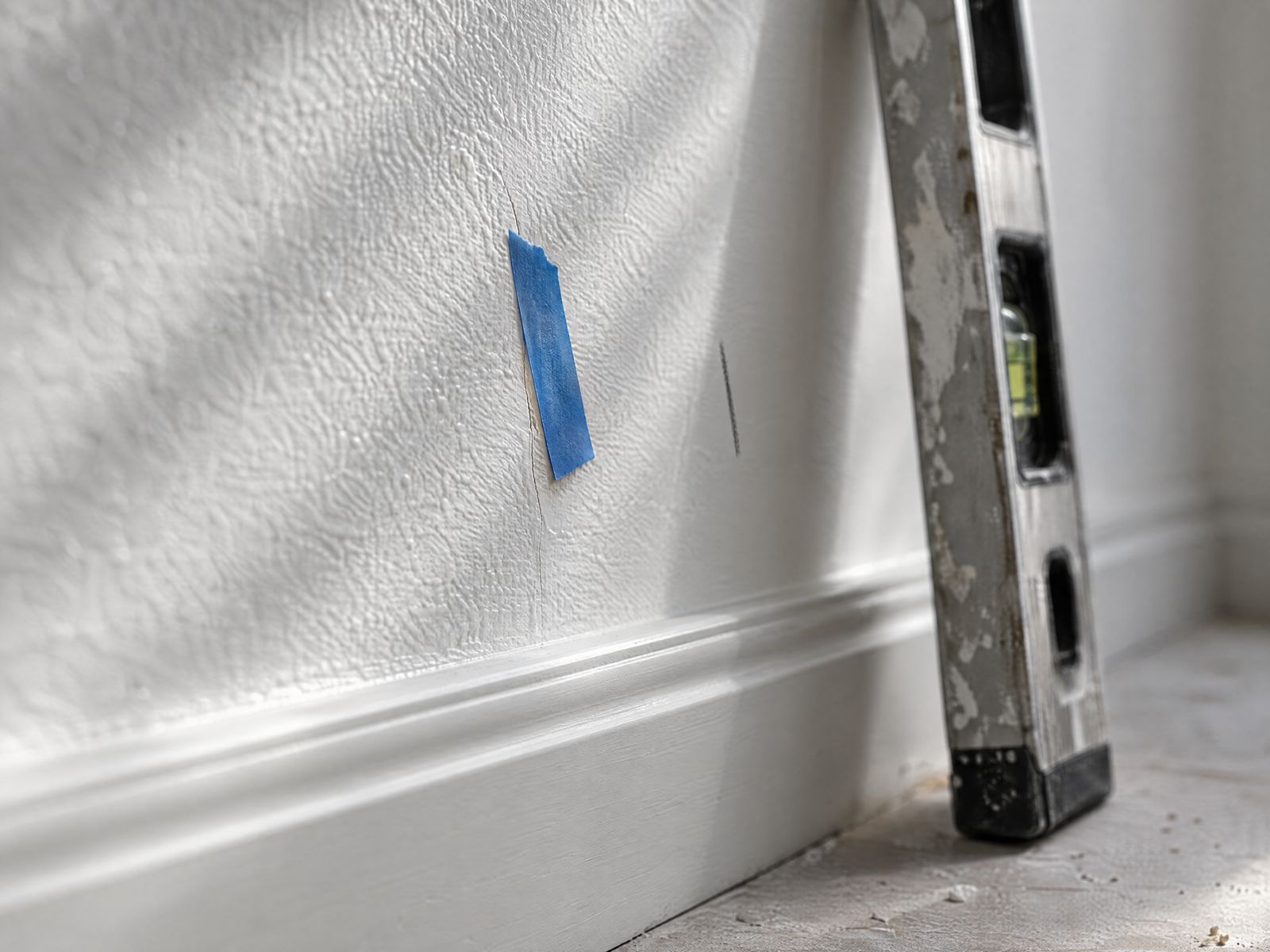
Snagging is the inspection you carry out after construction is finished and before you accept the unit. You walk the home against a list, write down every defect, submit it, let the developer fix it, and re-inspect before you sign anything that accepts the property. It is the last point at which a defect is unambiguously the developer's to correct.
It is also the step most buyers rush, usually because they are being handed keys in a room full of people and it feels rude to spend two hours opening cupboards. Spend the two hours.
Before You Go
Bring the specification annexure from your sale and purchase agreement, the dimensioned floor plan for your exact unit type, a phone with a torch and a camera, a phone charger to test sockets, and a plug for the sinks. Go in daylight and allow at least two hours for a one-bedroom.
The List
Doors and windows: every door opens, closes and latches without catching; handles are secure; window and balcony doors seal and lock; no gaps at the frames. Drawers and cupboard doors on the same test, including the ones behind the kitchen island.
Water: run every tap hot and cold and check pressure and temperature. Fill each sink and bath, then drain and watch how fast it goes. Flush every toilet twice. Check under every sink for leaks after running the water, not before. Test the shower with the door closed and look for water escaping the tray.
Air conditioning: run it in every room and confirm each outlet is actually delivering cold air, that the thermostat responds, and that nothing rattles. This is the item most likely to be quietly non-functional in one bedroom, and the most expensive to be wrong about in July.
Electrics: put a charger in every socket. Test every switch against the light it is supposed to control. Check the distribution board is labelled. Confirm there is a socket where the television and the bed are actually going.
Surfaces and finishes: tiles level and evenly grouted with no hollow sounds underfoot; sealant lines continuous around baths, showers, sinks and worktops; paint even, with no roller marks or missed edges behind doors; skirting fitted; no chips on worktops, sanitary ware or handles.
Against the specification: this is the part a general checklist misses. Compare what is actually installed to the annexure — the manufacturer of the kitchen appliances, the cooling provider, the fittings. A substitution is not a snag, it is a specification question, and it is far easier to raise before you have accepted the unit.
Whether to Hire an Inspector
Many buyers hire an independent snagging inspector, and the report usually justifies the fee. An inspector brings instruments you do not have — thermal imaging for damp and for pipework in walls, moisture meters, levels — and, more usefully, has no relationship with anyone in the room. If you are buying remotely, an inspector is not optional.
After the List
Submit the list in writing and keep a copy. Agree a date for the fixes. Re-inspect the items that were on the list and re-walk the rest, because work in one room can mark another. Only then sign the acceptance. Signing first and listing afterwards moves the argument onto much worse ground.
For completeness: we have taken a project through this once. Floareá Residence in Arjan, 206 homes, is handed over and lived in. Five more are under construction and have not reached handover, so everything above is the process we intend to run rather than five times of running it.