

Why Dubai Attracts Developers, and What That Means for a Buyer
A crowded pipeline hands buyers leverage. It also hands them the work of telling six brochures apart.
Published 20 August 2026
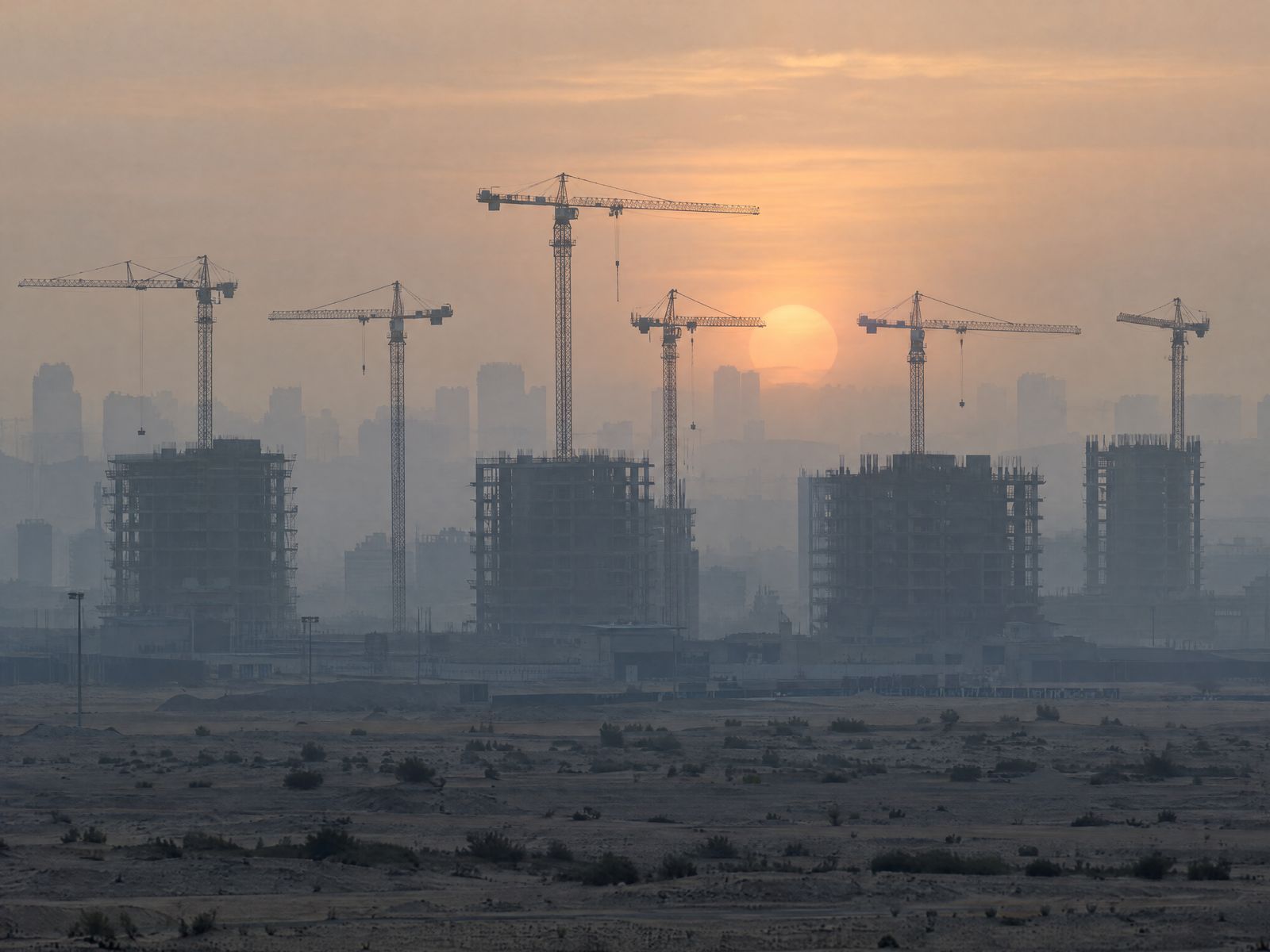
Dubai has more developers selling homes than any buyer can reasonably evaluate. Launches arrive continuously, across a widening list of districts, and in a brochure most of them look the same. That crowding is not background detail. It decides how much choice you have, how hard the comparison is, and how much you can ask for before someone else agrees first.
It is worth knowing why so many companies are building here, because the same reasons tell you what you can push on.
What Brings Developers to Dubai
The conditions are favourable to the people building, and they are public. Residential property in Dubai carries no annual property tax and no capital gains tax. The Dubai Land Department transfer fee is 4% of the purchase price, paid once at transfer, and every party knows that number before anyone starts. Property worth AED 2 million or more can support a Golden Visa application, which gives some buyers a reason to purchase that has nothing to do with rental yield.
The second reason is how construction gets funded. Off-plan sales let a developer collect staged payments while the building goes up. Those payments sit in a RERA-regulated escrow account and are released against verified construction progress. For a buyer that structure is protection. For a developer it is working capital, and it is the main reason one company can run several sites at once without owning the cash for all of them up front.
Put those together with a buyer pool that is largely international, and starting a project here is comparatively easy. That is why the list of developer names is so long, and why so much of it is unfamiliar.
What the Pipeline Does to Your Position
Supply competing for the same signature moves power toward the buyer. It rarely shows up in the headline price, which developers defend. It shows up in the terms.
Payment structure is the clearest example. When several projects want the same buyer, the schedule becomes negotiable in ways the price is not: a longer construction-stage spread, fixed monthly instalments in place of milestone triggers, a portion deferred past handover. Unit selection is the second. Floor level, orientation, which side of the project faces the road. Early in a launch those are yours to choose. Late in one they are whatever is left.
The third is information. A developer with competitors will answer questions it would otherwise deflect, because deflecting costs it the sale. Ask while that is true.
Why Choice Makes the Homework Harder
The same crowding that helps you also makes the decision harder, and most buyers underestimate that part. Competing projects in one district produce brochures written in the same vocabulary. Each has a pool, a gym, a yoga studio and a rooftop. Each is illustrated with renders, which are drawn before the project exists and drawn to sell it.
Comparing that material is close to impossible, because it was not built to be compared. What can be compared is the small set of fields with checkable answers behind them: what the developer has delivered and when, what the written specification says, which escrow account the money enters, and what handover quarter appears in the contract you sign.
We have set those questions out in full elsewhere on this site. The point here is narrower. Competition is exactly what makes them cheap to ask.
What to Demand While They Are Competing
Four things, all reasonable, all worth asking of every name on your list.
A delivery record with dates in it: the completed projects by name, the quarter each was promised for, and the month keys were actually handed over. A developer that tracks this answers in a sentence.
A written specification before you sign a reservation form, naming manufacturers, slab-to-slab height, the cooling provider and the number of lifts. Adjectives are not a specification.
The escrow account details in writing, plus confirmation that the purchase will be registered on Oqood with the Dubai Land Department. Both are routine, so a delay in supplying them is itself an answer.
The handover quarter in the contract, and a stated process for telling you when it moves. Dates move in this market. What you are testing is whether you will hear about it from the developer or from a neighbour.
Each of these has the same property. A company that has the answer gives it immediately. The hesitation is the finding.
How to Use the Competition
Choose the district and the handover window before you look at a single project. That one step usually cuts a long list to a handful, and it does it on facts about your life rather than on the quality of someone's renders.
Then send the same four questions to every name that survives, in writing, and wait. The replies sort themselves. Some come back with dates. Some come back with language. Some do not come back.
Availability is information too. A phase described as sold out means the terms it sold on are gone. A phase down to its last units means the flexible part of the negotiation is mostly behind you. The leverage described above is real early in a launch and thin at the end of one.
Only after that is it worth looking at the renders.
Where We Sit in It
Mashriq Elite is one of the names on that long list, so the same test applies to us. Six developments have launched, 1,087 homes between them. One is delivered: Floareá Residence in Arjan, 206 homes, handed over and occupied. Floareá Vista in Discovery Gardens and Floareá Grandé in Arjan are sold out and under construction. Floareá Skies in Jumeirah Village Circle, Floareá Oasis in Dubailand and Floareá Breeze on Dubai Islands still have units available.
Until recently every image on this website was a render, because the only completed project had never been photographed for marketing. Measured against the standard above, that is a short record. We publish the count and the districts so you can apply the standard yourself.